For one buyer, the appeal of the wig’s coloring is offset by a cap that becomes uncomfortable after a few hours of wear. Another appreciates the natural-looking hairline but doesn’t want to spend twenty minutes adjusting the lace every morning. A third customer orders an appealing unit and discovers that its density feels heavier than anticipated.
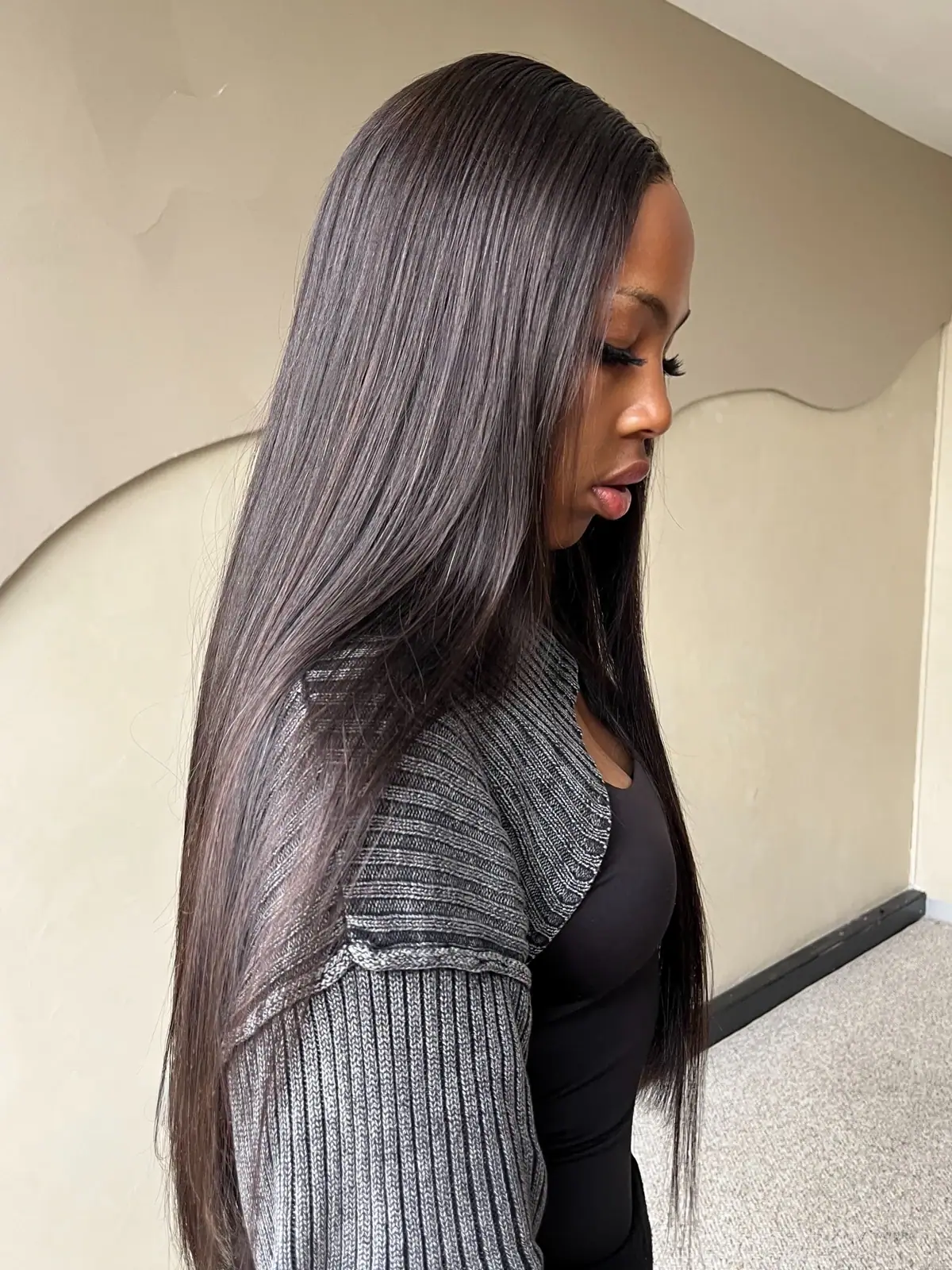
Image credit: vayorahair.com
There is more meaning in these comments than a wig company might initially see. They reveal opportunities to develop products people will genuinely enjoy wearing.
Building a strong product line involves more than following the latest viral look. They’re built around understanding what customers want to experience when they put a wig on.
Listen to the Problems Behind the Purchase
Customers rarely describe their needs using manufacturing terminology. Comfort during wear, how convenient it is to use, how it looks and how confident the wearer feels are what customers talk about. A request for an easier morning routine might point toward a glueless construction. Feedback about a hairline that does not look natural can direct attention to lace appearance, knot treatment, density, or the design of the part.
A human hair wig manufacturer China brands work with should be able to translate these everyday concerns into measurable product specifications.
A request for a 22-inch body-wave wig can go much further: buyers can specify how the wig should feel when worn, cap fit, lace construction, hairline appearance, and finished weight. That level of detail gives the development team a clearer target.
Building an Identity for Your Private Label Wig Range
Current trends often become the entire basis for a developing wig brand’s catalog, which can be a misjudgment. Competing stores may end up offering nearly identical-looking collections.
A collaborative relationship with a private label wig manufacturer China retailers choose can help a brand shape a consistent product identity. A brand could focus on lightweight daily-wear wigs, a premium range with realistic hairlines, or ready-to-wear styles for customers who favor a simpler preparation routine. Texture, length, color, density, cap construction, and packaging should support the same customer promise. A recognizable collection gives shoppers a reason to return beyond a temporary discount.
Glueless Design Involve More Than a Label
A glueless label may be easy to understand, yet how the wig feels during wear is shaped by a number of design choices. Cap sizing, adjustment features, attachment components, lace preparation, and hairline design all influence how comfortably and securely a wig fits.
Clarifying these requirements before production is something a glueless wig manufacturer China buyers work with should assist with. A brand serving new wig wearers, for instance, might focus on manageable density, pre-cut lace, and simple adjustment features. The customization needs for a professional stylist’s collection may be different. Neither approach is automatically better. Each serves a different customer.
Sampling Protects the Brand’s Reputation
There are aspects of a wig that cannot be assessed from a photograph by itself. A buyer should assess how the cap fits and the hair moves, check the color against expectations, and verify whether the finished construction matches the approved design. Reviewing samples allows buyers to identify differences before committing to a larger order.
Consistently producing the same style calls for clearly recorded requirements and quality-control procedures, particularly for a wholesale human hair wigs supplier handling repeat orders. The success of the first batch may be challenging to replicate without clear points of reference.
Build a Wig Collection With Room to Grow
For B2B wig brands, retailers, and distributors, VAYORA offers assistance with product development, private label services, sampling, specification control, and repeat-production workflows. Physical details that affect the look, fit, and feel of a wig are connected to customer expectations through this approach.
Before adding more products, a brand should evaluate customer feedback, determine where its strongest product opportunities lie, and define clear approval standards. The next successful collection may not require more styles. The greater opportunity may lie in improving the styles customers already want.