Protection against fire is a must for all Sydney business. It’s not just an essential legal requirement but also a method of keeping personnel, customers, and even property protected. A fire can cause catastrophic losses in minutes, but most of these risks can be minimized or eliminated with the proper precautions in place. Regular fire inspections, periodic testing and marking of electrical systems and compliance with CFSP regulations all work to create a safer workplace and ensure businesses remain compliant with the local government and Building Code of Australia (BCA) standards.
The reason Fire Inspections are the basis of Safety
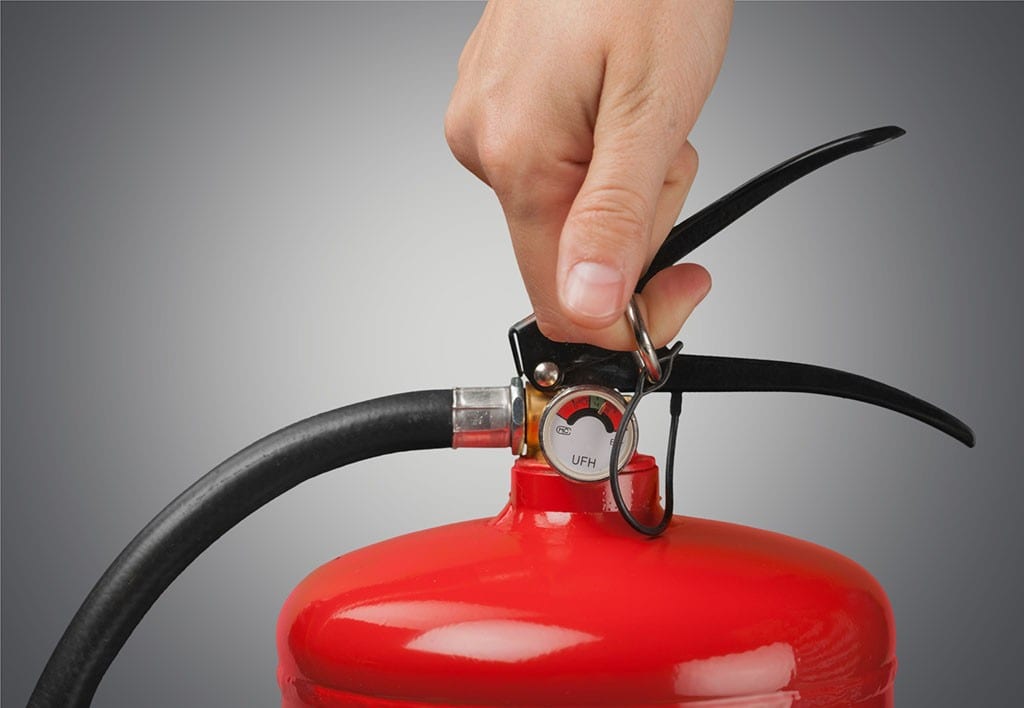
Fire Inspections are the first line of defense against potential hazards. The inspections verify that the fire protection system of the building is current and functioning. In Sydney, businesses must conduct inspections at least once every six months or annually dependent on the type of building and local regulations. An inspection often covers everything from fire alarm panels to sprinkler systems to smoke alarms, hydrants and extinguishers, as well as emergency lighting.
What makes inspections crucial is their capacity to uncover hidden issues before they become risky. A tiny flaw in a fire hydrant, or a smoke detector that is blocked may appear insignificant at first however, in the event of an emergency, these faults could cause death. Regular inspections of fire hazards are a proactive approach for business owners to not only ensure they meet their compliance obligations, but also protect themselves from the possibility of unplanned disasters.
Test and Tag: Addressing Hidden Electric Risks
Electrical systems are among the leading causes of workplace fires, this is the reason why testing and tagging must be part of a fire safety strategy. This involves testing electrical equipment to ensure it’s safe and functional, and compliant, followed by attaching a visible tag that indicates the item is in good condition and has passed the test. This is a legal requirement which is not always an easy one. In many businesses, it’s a precaution against any potential dangers.
If unchecked outdated wiring, faulty appliances, or worn-out cables could become a fire risk. Businesses can lessen the risk of fires by regularly testing and tagging electrical equipment. The employees are also assured that their workplace is safe. This helps create a feeling of trust and security in the work place. Together with fire inspections and testing, this extensive safety plan reduces risks from multiple angles.
The role of CFSP in Compliance and Certification
Only a Competent Fire Safety Professional (CFSP) who is based in New South Wales, can be a signer and certify important documents pertaining to fire safety such as Annual Fire Safety Statements. Introduction of CFSP certification has enhanced standards in fire safety, ensuring only qualified professionals can assess and verify safety. The use of a CFSP guarantees that reports and inspections aren’t just paperwork, they are reliable assessments by experts.
The role of a CFSP goes beyond making sure boxes are checked. They assess the state and effectiveness of the fire protection system. They also provide precise reports, and ensure conformity with the rules. Without CFSP certification, businesses could face fines, legal issues or even shut downs if security measures for fire are judged to be inadequate. When you partner with experts accredited in fire safety, you can make sure that your fire protection systems are maintained in a proper manner. In addition, you’ll be able comply with all compliance requirements without unnecessary anxiety.
The Fire Safety Act: A Lifetime commitment
Safety in the event of fire is an ongoing requirement for every business owner. The process of ensuring safety is never ending with regular inspections, examining electrical systems regularly, and then certifying under CFSP supervision. Beyond the legal requirements it also promotes a workplace culture of safety. Employees can be confident that evacuation plans have been established Smoke detectors are operational and emergency lighting has been verified, and the fire protection system is ready to go.
By treating fire safety as an ongoing procedure and not just a checkbox to check every year Businesses can cut down on risks while also improving their reputation. If safety is a priority customers and clients are assured of their safety. Long term, investing proactive fire prevention saves the company money by preventing costly damages, fines, and legal battles.
Conclusion
Sydney fire safety requires an extensive approach that includes fire inspections and testing tags and certifications by an CFSP. Each of these elements is crucial to making sure that businesses adhere to the rules, and most importantly, that people and properties are protected. When safety is an integral aspect of the business rather than being a last-minute consideration, businesses do not just meet their legal obligations, they also ensure a safer and resilient environment for the future.